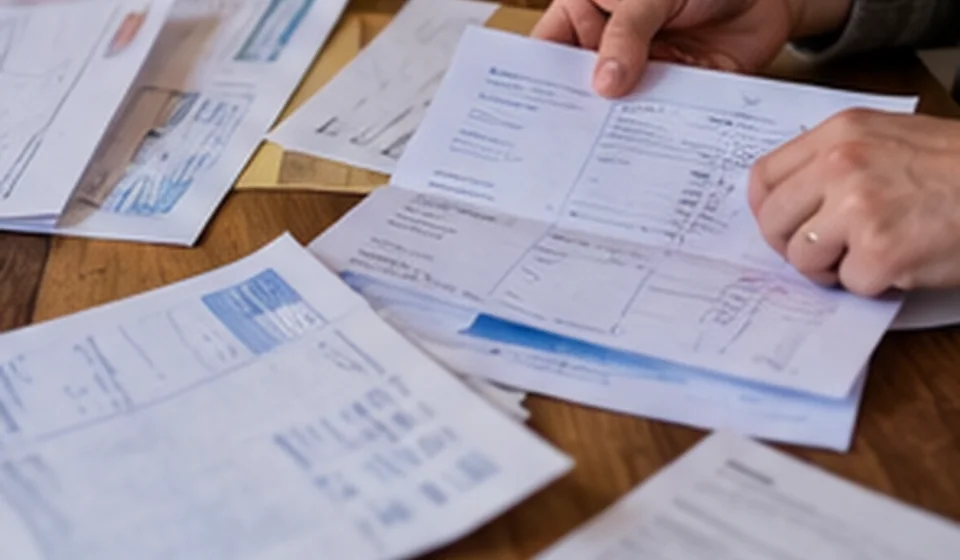
For many people on a low income, a car is not a luxury: it is the only way to reach a shift that starts before the first bus, take a disabled relative to appointments or do the school run in a rural area. Car insurance is a legal requirement for driving on UK roads, and a renewal quote that jumps by hundreds of pounds can throw an entire monthly budget off balance.
There are very few grants that pay for car insurance directly, so the main levers are lowering the premium, choosing how to pay and protecting the rest of your budget. Borrowing should come last, and some "cheap insurance" offers are outright scams.
Why the way you pay matters
Paying monthly is often more expensive than paying the annual premium in one go, because many insurers charge interest on instalments. The quote should show the APR and the total you will pay over the year. Compare the two figures: the difference can be significant, and it is the real price of spreading the cost.
That said, if a lump sum would leave you short for rent or food, monthly payments may still be the safer option. The aim is to know what you are paying for, not to stretch yourself.
Lowering the premium without losing cover
- Shop around at every renewal. Since 2022, FCA rules mean insurers cannot quote existing customers more for renewal than they would charge a new customer through the same channel, but other insurers may still be cheaper.
- Use more than one comparison site, and check insurers that do not appear on them.
- Give an accurate annual mileage. Overestimating raises the price; underestimating can invalidate a claim.
- Consider a telematics or black-box policy if you are a young or newly qualified driver and drive carefully.
- Choose the excess carefully. A higher voluntary excess lowers the premium, but only if you could pay it after an accident.
- Look at pay-per-mile cover if you drive very little.
- Add an experienced named driver who really uses the car, but never put the main driver down as a named driver: this is known as fronting and is fraud.
- Check your occupation description and job title options honestly, as these can affect the price.
Help that can cover insurance indirectly
A few situations open real support:
- Motability Scheme: if you receive the higher rate mobility component of DLA or the enhanced rate mobility component of PIP, a leased car through the scheme includes insurance.
- Access to Work: for disabled workers, it can fund travel to work in some cases, which may reduce the need for a car.
- Universal Credit: a Budgeting Advance can help with costs of starting or staying in work, repaid without interest. Your work coach may also be able to use the Flexible Support Fund for barriers to taking a job.
- Employer support: some employers who require a car pay a mileage allowance or contribute to business-use cover.
Raising your income elsewhere also helps. A full benefits check, social tariffs for broadband and water, and grants for energy debts can free money for the premium. If driving is mainly to get to work, our page on help with transport costs may reveal cheaper alternatives.
If you cannot afford to keep the car insured
Driving uninsured is a criminal offence and can lead to a fine, penalty points and the car being seized. Under Continuous Insurance Enforcement, a registered vehicle must be insured unless you declare it off the road with a SORN. If you truly cannot pay, make the SORN declaration and keep the car off public roads until you can.
If you are thinking of selling the car, work out the real monthly cost of keeping it, including insurance, tax, fuel, MOT, servicing and parking, and compare it with bus passes, a railcard, a bicycle or occasional taxis. For some households the car is essential; for others, selling it releases money to clear debts and lowers monthly costs for good.
If you already have a policy and money is short, contact the insurer before you miss a payment. Insurers should treat customers in financial difficulty fairly; they may be able to change the payment date or adjust cover.
Ghost brokers and fake insurance
So-called ghost brokers advertise cheap car insurance on social media, messaging apps and forums. They may buy a real policy with false details and cancel it, or sell a fake certificate. Drivers often discover they are uninsured only after a crash or a police stop. Protect yourself:
- Buy directly from an insurer or a broker you can check on the Financial Conduct Authority register.
- Be suspicious of prices far below other quotes and payment requested by bank transfer to a personal account.
- Check your policy appears on the Motor Insurance Database after purchase.
Borrowing to pay the premium
If you need a lump sum to avoid expensive monthly instalments, a credit union loan can sometimes cost less than the insurer's own credit; compare the APR and the total repayable. Avoid payday loans and credit cards you cannot clear. If you have a poor credit file, look at our guide to unsecured loans on a low income to see the risks, and if repairs are also due, read help with essential car repairs before taking on more debt.
Car insurance checklist
Run through these points before each renewal date.
- Compare the annual price and the total cost of monthly payments.
- Shop around at renewal on several sites and directly.
- Give accurate mileage, occupation and driver details.
- Ask about Motability, Access to Work or a Budgeting Advance if relevant.
- Check any broker on the FCA register; avoid social media sellers.
- Declare SORN rather than drive uninsured.
Loan offers and financial help to compare
- Citizens Advice — Citizens Advice: free, independent debt and money advice.
- Trussell (food banks) — Trussell (food banks): charity offering food, practical or financial help to people on low incomes.
- Budgeting Loans – GOV.UK — interest-free Budgeting Loans or Advances for people on certain benefits.
- StepChange Debt Charity — StepChange Debt Charity: free, independent debt and money advice.
- Find Your Credit Union — Find Your Credit Union: credit union or cooperative lender offering affordable small loans.
Indicative, non-exhaustive list of real institutions, with no commercial link to this site. Check authorisation, APR and terms before applying; never pay fees upfront.