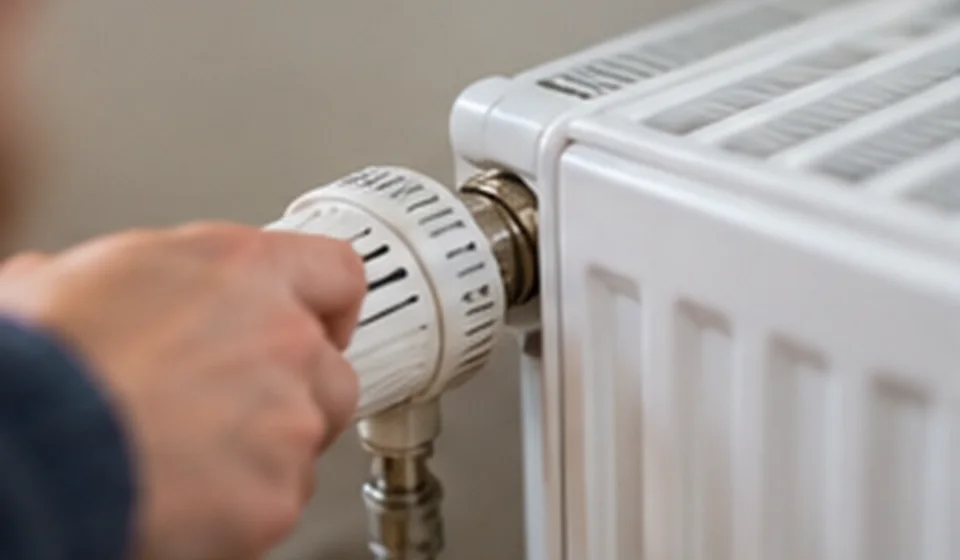
For some households, logs are not a cosy extra but the main way to keep warm: rural homes off the gas grid, older cottages with an open fire or a stove, or tenants whose only heater is a wood burner. Buying firewood on a low income is hard because it is often sold in large loads, paid upfront, and prices tend to rise just as the weather turns cold. Running out in winter can mean a cold home, damp and health problems.
This guide explains how to reduce the cost of firewood in the UK, what support can still help when you heat with wood, how to stay safe and within the rules, and why credit should come last.
Benefits and payments that still apply if you heat with wood
Most energy support schemes are linked to your income, not to the fuel you burn, so heating with logs does not exclude you:
- Cold Weather Payment (England, Wales and Northern Ireland): paid automatically to people on certain benefits when the local temperature is very low for seven days in a row. Scotland has its own winter heating payment.
- Warm Home Discount: a rebate on your electricity bill for eligible low-income households. Even if you heat with wood, a lower electricity bill frees money for logs.
- Pensioners may receive a winter fuel payment, which can be spent on any fuel.
Our page on heating assistance for low-income homes sets out these schemes in more detail.
Crisis help from councils and charities
If your log store is empty and you cannot afford a delivery, ask your council for local welfare support. Councils in England run crisis or hardship funds, and in Scotland, Wales and Northern Ireland you can apply to the Scottish Welfare Fund, the Discretionary Assistance Fund or Discretionary Support. Some councils and community groups provide fuel vouchers or arrange deliveries for households off the gas grid. Charity grant searches such as Turn2us can point to local or occupational funds.
Ask too whether your home can be made cheaper to heat. Insulation schemes funded by energy suppliers and government programmes are aimed at low-income households, and off-gas homes are often a priority. A warmer home needs fewer logs.
Buy smarter and burn less
- Buy dry wood. In England, firewood sold in small quantities must be certified as ready to burn, meaning it is dry enough. Wet wood gives less heat, so you burn more of it and pay more.
- Buy in spring or summer when prices are often lower, and if you have space, season freshly cut wood yourself under cover for a year or more.
- Share a delivery with neighbours to reach a bulk price.
- Compare by volume, not by bag: ask the supplier the exact volume and moisture content.
- Keep the stove door closed and use a stove rather than an open fire if possible; open fires send much of the heat up the chimney.
Free wood: what is legal
Fallen branches are not automatically free. Taking wood from woodland, parks or private land without the owner's permission can be theft. Some landowners, tree surgeons and sawmills give away offcuts or sell them cheaply, and in some forests you can buy a permit to collect fallen wood. Never burn painted, treated or pallet wood with chemical treatment: it releases toxic fumes and can damage your stove and chimney.
Safety and smoke rules
Many towns are in a smoke control area. There you may only burn authorised fuels or use an exempt appliance, and you can be fined for emitting smoke. Ask your council whether your street is covered before buying a stove or using an open fire.
- Have the chimney swept regularly to reduce the risk of chimney fires.
- Fit a carbon monoxide alarm in the room with the stove. Landlords must provide one in rooms with a fixed fuel-burning appliance.
- Your local fire and rescue service offers free home fire safety visits, often prioritising older and vulnerable people.
- If you rent and the stove is your only heating, your landlord must keep it in safe working order.
Checklist before winter
- Estimate how much wood you used last winter.
- Order early and ask for certified dry logs.
- Check your benefits and whether you will receive cold weather support.
- Claim the Warm Home Discount if you are eligible.
- Ask your council about crisis support and insulation schemes.
- Book a chimney sweep and test your carbon monoxide alarm.
- Look at other heating sources too: our guide to help with heating oil covers another off-grid fuel.
If you must borrow
A one-off loan for a season's wood is a known, limited cost, which makes it easier to plan than an open-ended debt. Some suppliers let regular customers pay in instalments; ask before using credit. If you receive Universal Credit, a Budgeting Advance is interest-free. A credit union can lend small sums, with interest in Great Britain capped at 42.6% APR. Our page on nonprofit and community loans explains alternatives to commercial lenders. Always compare the APR and the total repayable. If you already have debts, speak to free debt advice first.
Scam warning signs
- Cheap firewood adverts on social media that ask for payment by bank transfer before delivery, then disappear.
- Loads that are much smaller or wetter than promised: ask for the volume in writing.
- Loan firms that ask for an upfront fee or are not on the FCA register.
Elsewhere: in Ireland, Australia and other English-speaking countries, firewood is also widely used in rural areas; ask your local social welfare office or council about fuel allowances and emergency heating support before buying on credit.
For other ways to keep your home warm, see our guide to help with heating costs.
Loan offers and financial help to compare
- Citizens Advice — Citizens Advice: free, independent debt and money advice.
- Trussell (food banks) — Trussell (food banks): charity offering food, practical or financial help to people on low incomes.
- Budgeting Loans – GOV.UK — interest-free Budgeting Loans or Advances for people on certain benefits.
- StepChange Debt Charity — StepChange Debt Charity: free, independent debt and money advice.
- Find Your Credit Union — Find Your Credit Union: credit union or cooperative lender offering affordable small loans.
Indicative, non-exhaustive list of real institutions, with no commercial link to this site. Check authorisation, APR and terms before applying; never pay fees upfront.