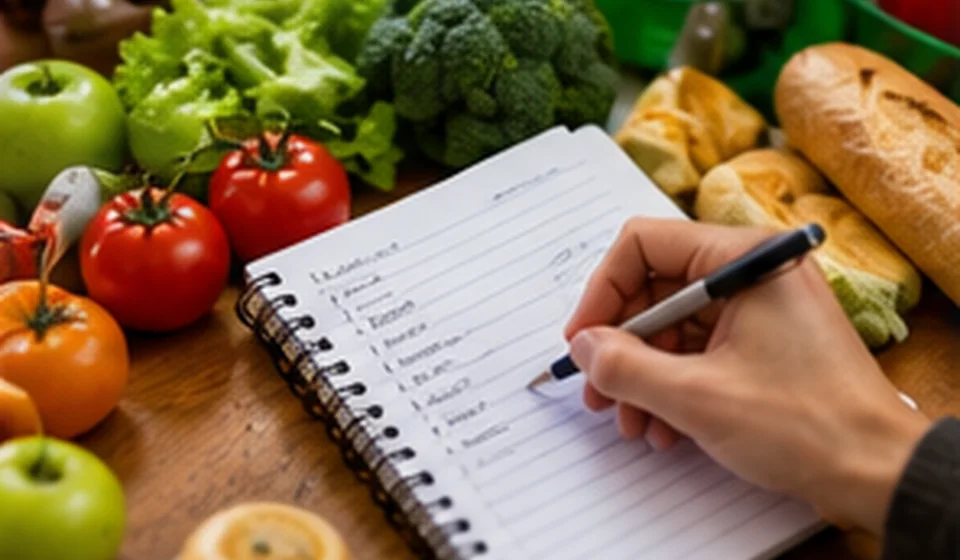
Feeding children week after week on Universal Credit, a part-time wage or a single income is one of the hardest parts of a tight budget. Food is often the only flexible spending line, so it is the first one to shrink when rent, energy or a debt repayment comes due. This page is about the regular, longer-term support that helps families eat properly: help built into the benefits system, school meals, holiday food schemes, community pantries and food banks, and how to plan around them.
If there is nothing to eat in the house today, start with our page on emergency food aid for the same day instead. What follows is for parents and carers who need a steadier, month-by-month plan.
Check the food support linked to children and pregnancy
Several schemes in the UK exist specifically for families with young children, and many eligible parents never claim them.
- Healthy Start (England, Wales and Northern Ireland): a prepaid card topped up every few weeks for milk, fruit, vegetables, pulses and infant formula, plus free vitamins. It covers people who are at least 10 weeks pregnant or have a child under 4 and who receive a qualifying benefit, such as Universal Credit within the earnings limit. You apply online through the NHS Healthy Start service.
- Best Start Foods (Scotland): a similar payment card for pregnant women and families with children under 3 on certain benefits, applied for through Social Security Scotland, alongside the Scottish Child Payment.
- Child Benefit: if you have not claimed it because of the High Income Child Benefit Charge, or simply never got round to it, check again. It is paid for each child and also protects National Insurance credits for a parent at home.
Health visitors, midwives and children's centres (Family Hubs in many English areas) can help you apply and often know about local baby banks for formula and nappies.
Make full use of school meals and holiday food
School food can take a large share of the weekly shop off your hands.
- Universal infant meals: in England, all children in Reception, Year 1 and Year 2 at state schools can have a free school lunch. Wales has extended free meals to all primary pupils, and Scotland provides them to younger primary year groups.
- Benefits-related free school meals: older children may qualify if you receive Universal Credit or certain other benefits. In England the government has announced that eligibility is being widened to all households on Universal Credit, so ask your school or council what applies now. Registration also brings extra funding to the school, so it is worth doing even when meals are already free.
- Holiday Activities and Food (HAF): in England, children eligible for benefits-related free school meals can usually get free places on holiday clubs with a healthy meal during the Easter, summer and Christmas holidays. Other UK nations run their own holiday programmes. Ask the school office or search your council's website.
- Breakfast clubs: many schools run free or low-cost breakfast clubs; some are being rolled out as free provision in England.
Ask your council about local welfare help
Councils run discretionary schemes that can provide supermarket vouchers, food parcels or cash for families under pressure. In England this was funded for several years through the Household Support Fund, which is being replaced by a new council-run crisis support scheme; the name and rules change, so ask what your council currently offers. In Scotland, contact the Scottish Welfare Fund; in Wales, the Discretionary Assistance Fund; in Northern Ireland, Discretionary Support through the Department for Communities. These are usually grants, not loans, so they should come before any borrowing.
Community pantries, social supermarkets and food banks
Beyond emergency parcels, there is a growing network of options designed for regular use:
- Community pantries and larders: you pay a small weekly membership and choose a basket of food worth considerably more. They are often run by churches, housing associations or community groups and are designed for ongoing use, not one-off crises.
- Social supermarkets: shops selling surplus stock at heavily reduced prices to people who meet local criteria.
- Food banks: most food banks in the Trussell network work with a referral from a professional such as Citizens Advice, a school, a GP or a housing officer. Many also offer an adviser on site who can check whether your benefits are correct, which may solve the problem behind the empty cupboard.
- Surplus food apps and fridges: community fridges and food-sharing apps can supplement the weekly shop with bread, fruit and vegetables.
Fix the income side, not only the food side
A family that regularly runs out of food money usually has a gap in its income or an unaffordable deduction. A full benefits check with Citizens Advice, a local welfare rights service or an online calculator such as Turn2us or Entitledto often finds missing support, for example the childcare element of Universal Credit, Carer's Allowance or a disability benefit for a child. Ask the DWP whether deductions from your Universal Credit (for advances, overpayments or third-party debts) can be reduced or spread over a longer period if they leave you unable to buy food. Our page on borrowing while on benefits explains how advances and budgeting loans affect future payments.
Weekly checklist for a family food budget
- Claim Healthy Start or Best Start Foods if you are pregnant or have a young child.
- Register every eligible child for free school meals, even infants who already get them.
- Book holiday club places as soon as booking opens; they fill quickly.
- Join a community pantry near you for regular, reduced-price shopping.
- Ask your council about crisis vouchers before taking any credit.
- Get a full benefits check and ask for deductions to be reviewed.
- Plan meals around store-brand staples and batch cook to cut energy and food costs.
Why borrowing for food is a warning sign
Using credit to pay for groceries is a sign that the household budget does not balance, and debt makes the gap wider each month. If you are already doing it, speak to a free debt adviser such as StepChange, National Debtline or Citizens Advice before the balance grows. If you truly need a small sum to bridge a gap, a credit union loan or a no-interest loan scheme is far safer than a payday loan, a buy now pay later plan used for groceries or a doorstep lender. Compare the APR and the total amount repayable, never just the weekly payment. Our guide to interest-free loans covers the options in more detail.
Be wary of anyone on social media offering quick loans or "grants" in exchange for an upfront fee: genuine councils, charities and food banks never charge you to receive help. Check that any lender is authorised on the FCA register, and report unlicensed lenders to Stop Loan Sharks in England or the equivalent team where you live.
Other English-speaking countries
In Ireland, families can ask the Community Welfare Service for an Exceptional Needs Payment and check the school meals programme. In Australia and New Zealand, emergency relief providers and school food programmes play a similar role. For the wider picture, see our overview of one-off hardship grants.
Loan offers and financial help to compare
- Felix (The Felix Project and FareShare) — A food redistribution charity, now combining The Felix Project and FareShare, rescuing surplus food and delivering it to charities and community groups feeding people in need.
- Trussell — A UK-wide charity network of food banks providing emergency food parcels to people referred with a food voucher, with an online tool to find one.
- Independent Food Aid Network (IFAN) — A network connecting independent food banks and food aid providers across the UK, mapping local emergency food help outside the Trussell network.
Indicative, non-exhaustive list of real institutions, with no commercial link to this site. Check authorisation, APR and terms before applying; never pay fees upfront.